
01 / WAREHOUSING
Warehouse Cargo Elevator
For moving suitable packaged goods, stock and materials between warehouse levels and storage areas.
Discuss Warehouse Requirements →Move goods, materials, stock and equipment between floors with a cargo elevator solution planned around your building, load requirements and daily operations.
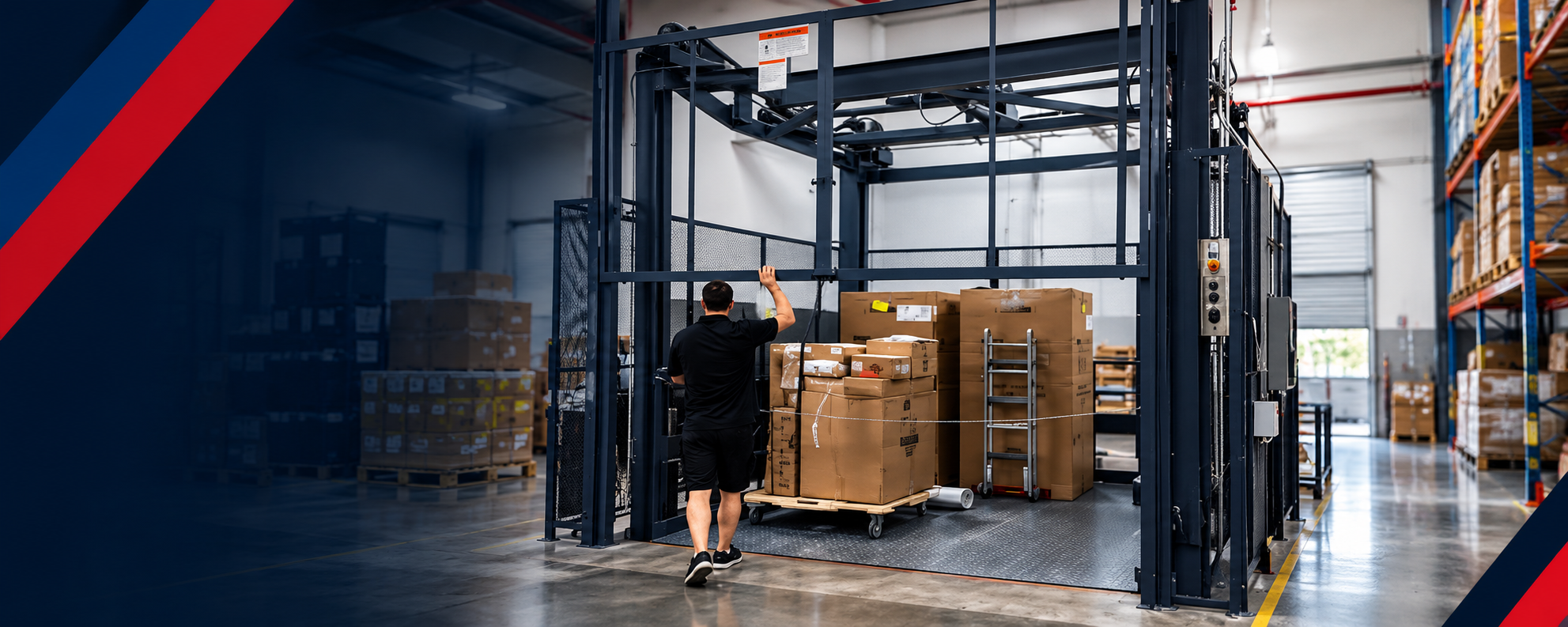
Cargo elevators help businesses move materials, products, inventory and equipment between different levels of a building. They can be considered for warehouses, factories, commercial buildings and other suitable facilities.
Selecting the right system requires careful consideration of the goods being transported, maximum load, platform or cabin dimensions, floor openings and frequency of use.
Different buildings have different goods-handling needs. The most appropriate elevator depends on the load, dimensions, building layout and intended operation.
For moving suitable packaged goods, stock and materials between warehouse levels and storage areas.
Discuss Warehouse Requirements →
Explore suitable goods-lifting systems for factories, production facilities and industrial work areas.
Explore Industrial Solutions →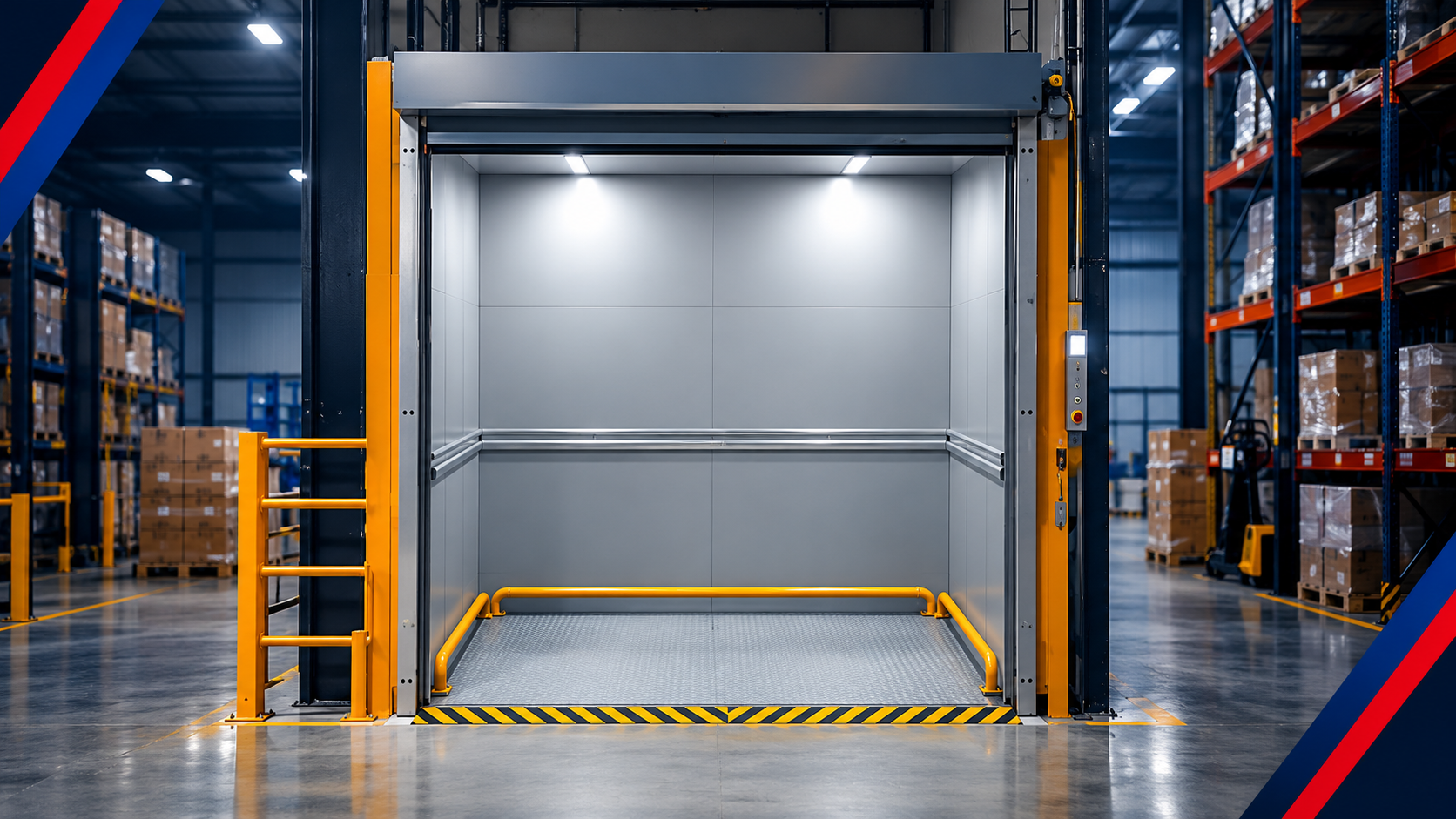
Consider goods transport for suitable commercial premises, stockrooms, service areas and back-of-house operations.
Discuss Commercial Use →These are illustrative application categories. Actual equipment types, load ratings and available configurations must be confirmed for your project.
Choosing an appropriate system starts with understanding the goods, operating environment and requirements of the building.
Determine the maximum load, including goods, pallets, trolleys or other permitted items.
Consider the dimensions of the largest goods or equipment that need to be transported.
Review the number of stops, travel height, loading locations and access arrangements.
Consider suitable door openings and loading access for the intended material-handling process.
Discuss the expected usage frequency, operating environment and relevant equipment requirements.
Plan inspections, service access and preventive maintenance according to the selected equipment.
Every cargo elevator project has its own constraints. Shaft dimensions, structural support, floor openings, loading access and equipment specifications should be reviewed before a system is selected.
Our team can discuss your requirements and help you identify the information needed to evaluate a suitable cargo elevator solution.
Cargo elevator requirements vary depending on the type of business, goods being moved and operating environment.
Transport suitable stock, cartons and materials between storage levels.
Move appropriate production materials and goods between work areas.
Support stock movement and goods handling in suitable commercial premises.
Plan vertical movement of permitted items within multi-level storage spaces.
Clear planning helps establish the project requirements before equipment selection and installation coordination.
Explain the goods being moved, required capacity, usage and building type.
Assess shaft dimensions, travel height, access openings and structural constraints.
Review equipment configuration, capacity, doors and project requirements.
Coordinate the installation scope, testing, handover and ongoing maintenance.
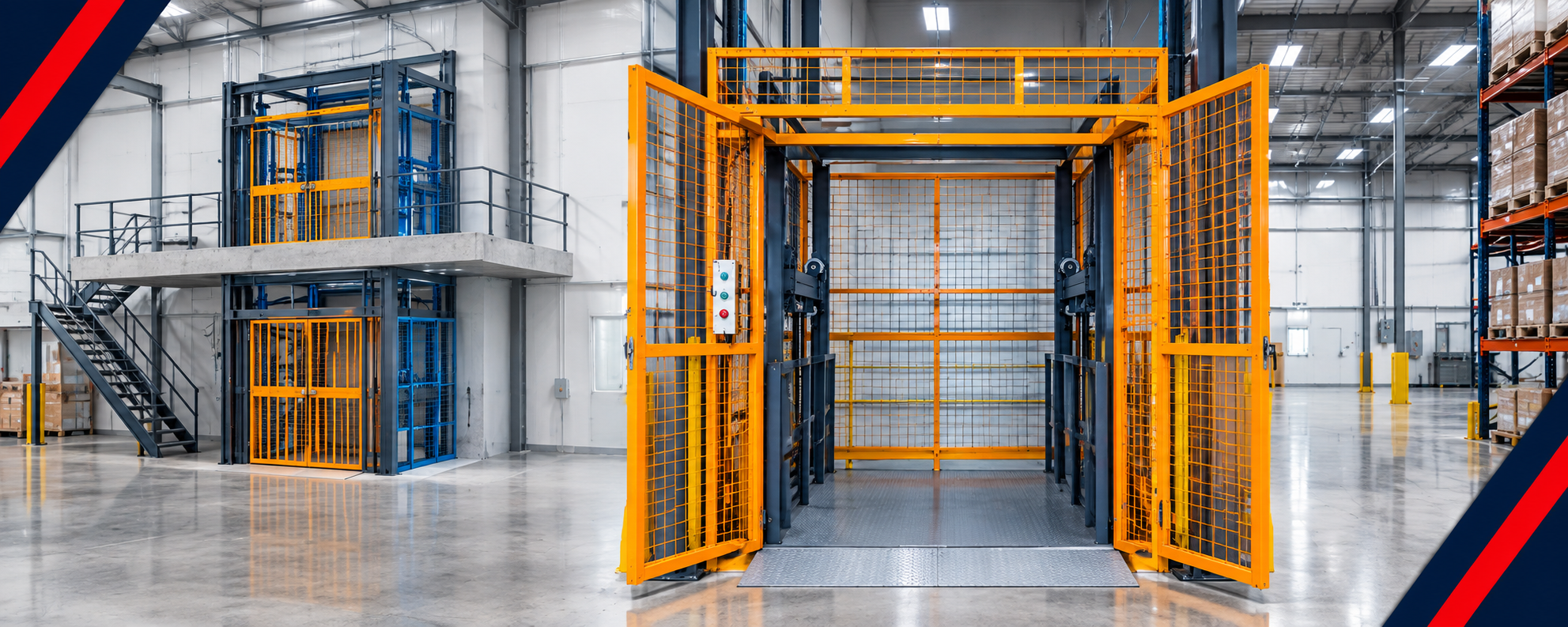
Cargo elevators must be selected and used according to their rated capacity, intended application and applicable safety requirements. Goods lifts are not automatically suitable for transporting people.
Actual safety features and permitted use depend on the selected system, applicable regulations and approved installation. Confirm these details with qualified professionals.
Learn about some of the key considerations when planning a cargo elevator for your building.
A cargo elevator, also called a goods lift or freight elevator, is designed to transport goods and materials between floors. Its permitted use depends on the equipment specification and applicable regulations.
Depending on the design and installation requirements, cargo elevators may be suitable for warehouses, factories, storage facilities and commercial buildings. A site assessment is needed to determine feasibility.
Consider the heaviest expected load, the dimensions of the goods, any trolley or pallet weight and the frequency of use. The final rated capacity should be selected and confirmed by the supplier based on the intended application.
It may be possible, depending on the available space, structural conditions, floor openings, travel height and the type of equipment selected. A technical site assessment is required.
Do not assume a goods-only lift is suitable for transporting people. Passenger use is permitted only where the specific elevator is designed, approved and configured for that purpose.
Provide the project location, number of floors, travel height, desired rated capacity, dimensions of the goods, available shaft space, loading arrangement and building drawings if available.
Yes. Regular inspection and preventive maintenance are important for reliable operation. The schedule should follow the manufacturer's requirements and applicable local regulations.
Tell us about your building, the goods you need to move, your desired load capacity and the number of floors. Contact Pakistan Elevators to discuss the next steps.